The paper birthday card is not dead, but it has serious competition. Electronic birthday cards have gone from clumsy animated GIFs to genuinely lovely little experiences, and they solve the two problems paper never could: distance and time. You can send one to the other side of the world, and you can send it at 11pm on the day you nearly forgot.
This guide walks through ten design approaches worth borrowing, from stripped-back minimalist cards to full video greetings. Along the way it is worth noticing where the digital card format is heading, because the most memorable version is no longer a single card at all. It is a small box you open one item at a time.
Whether you are choosing a card for a parent who is not especially online, a friend across three time zones, or a birthday you remembered an hour before midnight, there is a design here that fits. Let us start with why the electronic card earned its place.
The Rise of the Electronic Birthday Card
For years the digital birthday card was the thing you sent when you had run out of time for a real one. That reputation is outdated. Today’s electronic cards can hold music, motion, video, and a personal message, and they land instantly in a text or an email without a stamp or a trip to the shop.
Why choose an electronic card?
Three reasons keep coming up. It crosses any distance for free, which matters when the birthday you care about is in another country. It arrives instantly, which rescues the last-minute among us. And it can carry things paper cannot, like a song, a moving image, or the sound of your own voice.
There is a quieter reason too. Digital greetings do not get thrown out with the wrapping paper. They live in an inbox or a saved link, which means a well-made one can be reopened on a hard day months later. That keepability is the digital card’s real advantage.
Unique Design Inspirations
A great electronic card is a match between the design and the person receiving it. Below are the design families worth knowing, roughly in order of how much they can carry, so you can pick the one that fits the birthday in front of you.
Minimalist and simple designs
A minimalist card does one thing well: it gets out of the way of the message. Clean type, a lot of white space, one small piece of art, and a single warm line. For someone whose taste runs to the understated, restraint reads as elegance rather than laziness.
Minimalist designs are also the safest choice when you are unsure of the recipient’s style. It is very hard to get a simple, sincere card wrong, and simplicity keeps the focus on the words you wrote.
Colorful and fun themes
At the other end sit bright, playful cards packed with color, animation, and personality. These shine for kids, for friends who love a bit of noise, and for anyone whose birthday is an excuse to be silly. A confetti burst or a dancing character sets a celebratory tone the moment the card opens.
The trick with fun themes is to keep the joke or the animation in service of a real message. The color grabs attention; the sentence you write is what makes it stick.
Video birthday cards
A video card is the closest a screen gets to being in the room. Seeing your face and hearing you sing, laugh, or simply say happy birthday carries an emotional weight that text cannot reach. For milestone birthdays and for people you rarely get to see, video is the format that makes them feel truly remembered.
You do not need production skills. A steady phone, decent light, and something honest to say is enough. The imperfections are part of why it feels real.
If you are hunting for video birthday ideas or stuck on what to say in a video birthday message, keep it to three parts: one specific memory, one thing you appreciate about them, and the wish itself. The birthday video message examples people actually replay are rarely elaborate; a steady ten seconds naming one true thing beats a scripted minute that sounds like a toast written for someone else. A birthday video message idea as small as holding up their favorite mug and explaining why it is theirs works because it could not be about anyone but them.
Birthday postcards and animated greetings
Somewhere between minimalist and video sits the animated postcard: a single striking image with a short bit of motion and a caption. It is quick to send, easy to enjoy, and a nice middle ground when you want more than plain text but less than a full video production.
These work beautifully as a same-day surprise, especially paired with a specific, personal caption rather than a stock birthday line.
How to Send an Electronic Birthday Greeting
The mechanics are refreshingly simple, which is much of the appeal. Most digital greetings are built on a website or app, then shared as a link or file the recipient opens on their own phone.
Using websites and apps
Most tools follow the same three steps: pick a design, add your message and any photos or media, and get a shareable link. There is no shipping window to plan around and usually no account required of the person receiving it, which keeps the experience easy on both ends.
Sending via text or message
Because the finished card is just a link, you can drop it into a text, a chat, or an email, whichever the birthday person actually checks. That flexibility is why a digital greeting can be genuinely last-minute and still feel intentional; the delivery is instant, but the thought inside it does not have to be.
Crafting Your Message
The design gets attention, but the words are what get remembered. However lovely the template, an electronic card lives or dies on the message you put inside it, so this is the part worth slowing down for.
Heartfelt birthday messages
Sincere messages work when they are specific. Instead of "have a great day," name something true about the person: a memory you share, a quality you admire, a hope for their year ahead. One honest, particular sentence outweighs a paragraph of generic warmth.
Funny birthday wishes
Humor is a gift when it is aimed at the right person. An inside joke, a gentle jab about age, or a running bit between the two of you turns a card into something only you could have sent. Just make sure the affection underneath the joke is unmistakable.
The importance of personalization
Whatever the tone, personalization is what lifts a digital card above the template it came from. Their name, a shared reference, a photo of the two of you, or your recorded voice all tell the recipient this was made for them and no one else. That is the difference between a card that is glanced at and one that is saved.
Beyond the Card: A Digital Birthday Box
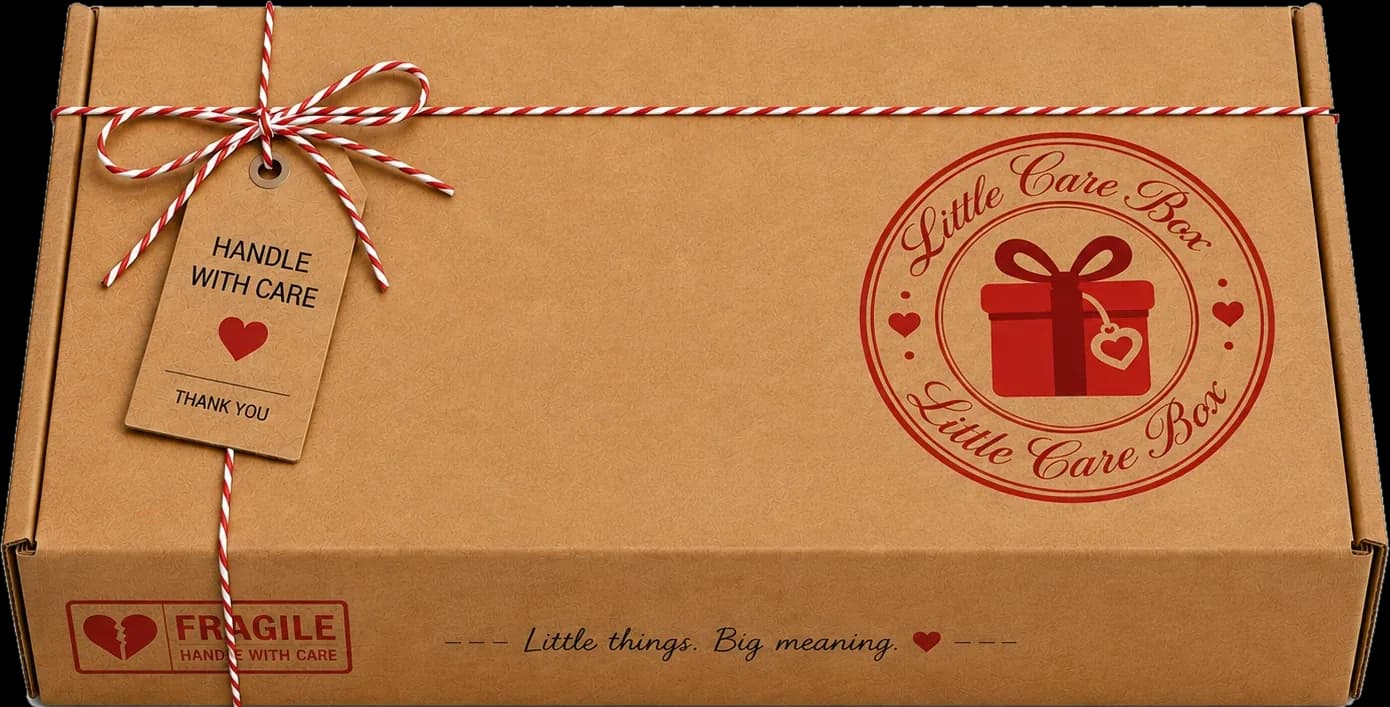
Here is where the format is heading. A card, however beautiful, is still one note on one screen. But the same technology that delivers an electronic card can deliver something richer: a small digital birthday box that the person opens one item at a time.
Instead of a single message, imagine sealing a written note, a photo that means something to both of you, a short voice recording, the song that belongs to the two of you, and a brief video, all into one private link. The recipient opens it in their browser with no account and no app, and each item unfolds in turn, so the moment lasts longer than the few seconds a card takes to read.
This is the format that fits the hardest birthdays to shop for. It crosses any distance instantly, which solves long-distance. It can be assembled and sent in minutes, which solves last-minute. And because it mixes writing, images, voice, and video, it works across all ages, from a grandparent who wants to hear your voice to a friend who will replay the video. You pay a few dollars once when you seal it, and the box is theirs to keep and reopen. If you want somewhere to start, a digital care package or a digital memory box gives you the frame; you just fill it with them.
Electronic birthday cards have grown up. From minimalist notes to colorful animations to full video greetings, there is a digital design for every personality and every budget, and all of them beat a forgotten birthday or a card that arrives a week late. The right one depends on who you are celebrating and how well you know their taste.
When you want the birthday to be genuinely unforgettable, though, reach past the single card and pack a digital birthday box instead: a note, a photo, your voice, the song, and a short video, opened one piece at a time and sent as one private link. It carries everything a card does and a great deal more, arrives instantly across any distance, and gives the birthday person something they can keep long after the day is over.
Questions people ask first
Are electronic birthday cards a good idea for someone who is not very tech-savvy?+-
Yes, when the format is simple. Most digital cards and boxes open with a single link in the recipient’s browser, with no account, app, or setup required. That makes them easy even for older relatives who mainly want to hear from you.
What is the difference between an electronic birthday card and a digital birthday box?+-
A card is essentially one note on one screen. A digital birthday box holds several things at once, such as a written note, a photo, a voice clip, a song, and a short video, which the person opens one item at a time. The box carries more and lasts longer.
Can I send a digital birthday greeting at the last minute?+-
That is one of the format’s strengths. Because the finished greeting is just a link, it delivers instantly by text or email with no shipping window. You can assemble and send a heartfelt box or card in minutes, even late on the birthday itself.
How do I make a digital birthday greeting feel personal instead of generic?+-
Add things only you could include: their name, a shared memory, a photo of the two of you, your recorded voice, or the song that belongs to your relationship. Specific, personal details are what turn a template into something the person keeps.
Pack one like this
The shelf is already laid out. Put in the first thing and see how it feels.