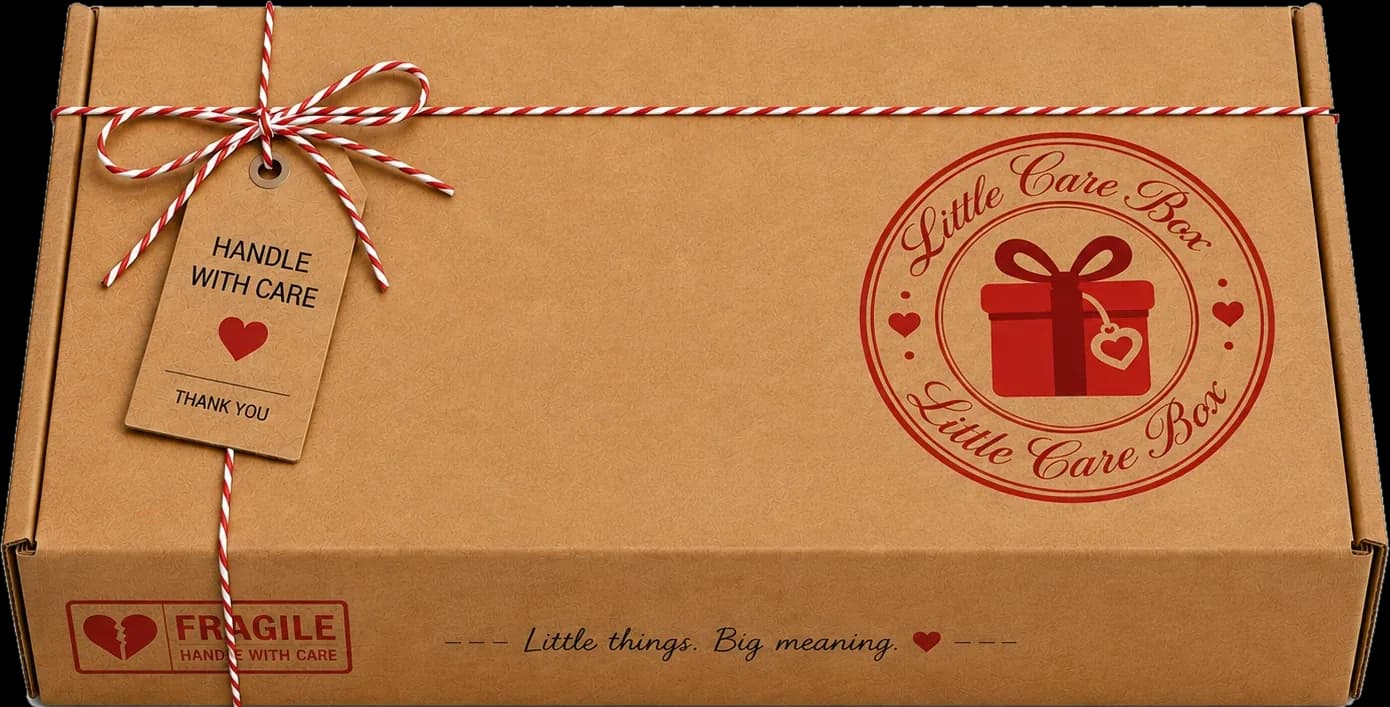
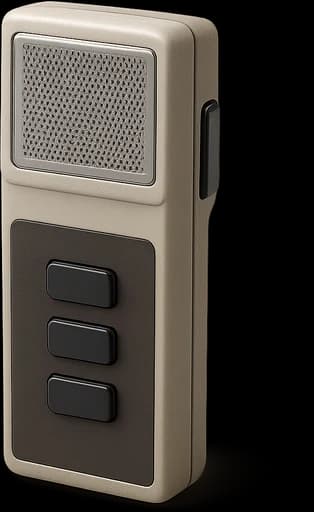
Not a pep talk and not the generic comfort gift basket everyone sends: a few quiet things that ask nothing back — a memory written down properly, a photo of an ordinary day, your voice not filling the silence. One link, opened whenever they can.
The news arrives by phone, and you are two hundred miles away from being any use. If you lived close you would know what to do, because what to do is old and simple: bring food, sit there, wash up, say almost nothing. From a distance the options thin out fast. There is the text — I'm so sorry, I'm here if you need anything — which is true and lands like weather. There are flowers, which arrive with a card that fits fourteen words. And there is the terrible option of doing nothing because everything you can think of feels too small, which is how people going through the worst stretch of their life end up hearing from everyone except the ones who cared most.
It is worth being honest about what cheering up means here, because most cheer-up gifts carry a hidden instruction: feel better, preferably soon, ideally where I can see it. Someone grieving, or newly diagnosed, or three weeks into a depression that has no story attached, cannot take that instruction, and should not have to. What actually reaches people is different. It is specific memory — the story about their mum they have never heard. It is proof that you are not frightened of their sadness and will not need it tidied up. It is presence with no response required.
Some of this is a much more specific kind of quiet: six visiting hours a day, a phone signal that comes and goes on the ward, and a day that is mostly waiting for a doctor who might come at eleven or might come at four. A hospital care package for a friend who has just had surgery does not need to be big — it needs to survive being opened one-handed, with a cannula in the other arm, on a day with nothing else in it. The same goes for the version of this that happens at home during a slow recovery: a sick friend does not want a get-well-soon to-do list, they want something to look forward to between naps that does not require them to perform being fine for anyone.
That is the whole design of the box. It does not ping them or ask to be acknowledged; the link sits where you left it until a survivable hour turns up — 4pm on a Sunday, three weeks from now — and it is all still there. And it holds exactly what a sympathy card cannot: the long story written out properly, two minutes of your voice being ordinary, the photo of an ordinary day from before. You cannot bring soup from where you are. This is the thing you can do instead, and it is not nothing.